Key Takeaways
- +Aging in place works best when the home is suitable and support systems are strong.
- +Downsizing can free up equity and simplify life for seniors in the Philadelphia area.
One of the most important decisions families face is whether an aging parent should age in place or downsize to a more suitable home in the Philadelphia area. This choice involves evaluating health needs, financial resources, home suitability, and family support systems across Philadelphia, Montgomery, Bucks, Chester, Delaware and Berks Counties.
Understanding Aging in Place in the Philadelphia Region
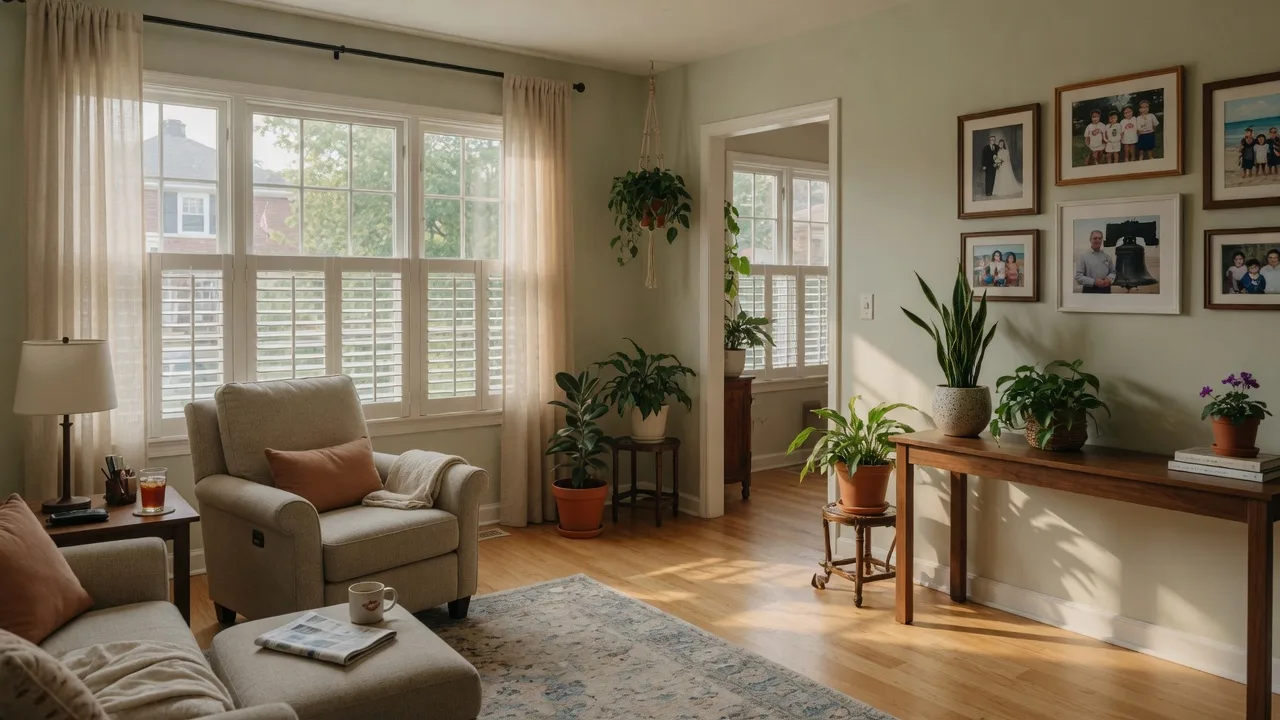
Aging in place means staying in your familiar home while making modifications for safety and accessibility. This approach works best when the home is already suitable, the senior is mobile, and support systems like family caregivers, home health aides, and community services are readily available. In Philadelphia neighborhoods like Chestnut Hill, Fitler Square, and Manayunk, seniors can often access walkable amenities while remaining in their longtime homes. Key modifications may include grab bars, widened doorways, walk-in tubs, and stair lifts. The National Aging in Place Council recommends assessing home safety before committing to this path.
When Downsizing Makes the Most Sense
Downsizing means moving to a smaller, more manageable home or community. This is often the best choice when the current home is too large, maintenance becomes burdensome, or care needs increase. Popular downsizing destinations on the Main Line include Bryn Mawr, Ardmore, and Wayne, where walkable downtowns and condos offer low-maintenance living. In Philadelphia proper, neighborhoods like Rittenhouse Square, Old City, and Washington Square West provide elevator buildings and concierge services ideal for seniors.
Key Factors to Consider in Your Decision
Several critical factors should guide your decision between aging in place and downsizing in the Philadelphia area. First, assess your health status and projected care needs. Second, evaluate your current home's layout and whether modifications can make it safe and accessible. Third, consider your financial situation including home equity, retirement savings, and ongoing expenses. Fourth, think about your social connections and whether your current neighborhood supports your lifestyle. Finally, involve family members in the discussion and consult with professionals including a senior transition specialist, elder law attorney, and financial planner. The NCOA Aging in Place Guide offers an excellent starting point for this assessment.
Philadelphia Area Housing Options for Seniors
The Philadelphia region offers diverse housing options for seniors at every stage. Urban condos in Center City neighborhoods like Rittenhouse Square and Washington Square West provide walkability and cultural amenities. Suburban 55-plus communities in Bucks, Chester, and Montgomery Counties offer active adult lifestyles with maintenance-free living. Continuing care retirement communities (CCRCs) provide a full spectrum of care from independent living to skilled nursing. For those seeking specific guidance, our Sell Before Senior Living guide explores the financial strategy of selling before transitioning. The Pennsylvania Department of Aging provides a statewide resource directory for seniors and caregivers.
Financial Considerations for Both Paths
The financial implications of aging in place versus downsizing differ significantly. Aging in place often involves upfront costs for home modifications but avoids moving expenses, real estate commissions, and new home costs. Downsizing can free up substantial home equity that can be used for retirement income or healthcare expenses. However, moving costs, closing costs, and potential capital gains taxes on the sale of a primary residence (up to $250,000 per individual or $500,000 per couple is tax-free under current IRS rules) must be factored in. Consult with a tax professional regarding Pennsylvania's specific tax treatment of home sale proceeds. Consider exploring our Family Decision Guide for a comprehensive checklist of financial and lifestyle factors.
Getting Professional Guidance for Your Transition
Whether you choose aging in place or downsizing, working with professionals who understand the Philadelphia market can make a significant difference. As an AI-Certified Agent with eXp Realty, I help seniors and their families evaluate their options, understand their home equity, and navigate the transition smoothly. Our Senior Transition Checklist provides a step-by-step guide to the process. We also offer a free consultation to discuss your specific situation and develop a personalized plan. Additionally, the Pennsylvania Council on Aging offers free counseling and resources for seniors across the state.
Explore Senior Transition Resources
External Resources
Frequently Asked Questions
Is it better to age in place or downsize?
It depends on your health, finances, home suitability, and family support. Consult a senior transition specialist for personalized guidance based on your specific situation in the Philadelphia area.
What downsizing options are available in Philadelphia?
Condos in walkable neighborhoods like Fitler Square and Bryn Mawr, 55-plus communities, and senior living communities are available across the Philadelphia region including Bucks, Chester, and Montgomery Counties.
What costs should I consider for downsizing?
Moving costs, closing costs on the new home, potential capital gains taxes, and any renovation costs for the new property should all be factored into your downsizing budget.
How can AI help with senior transition decisions?
As an AI-Certified Agent, I use data analytics to provide market insights, property valuations, and personalized transition strategies for seniors in the Philadelphia region.
Can I sell my home and stay in it after downsizing?
Yes, through our Sell and Stay program, you can sell your current home and remain as a tenant, freeing up equity while staying in the neighborhood you love. Learn more on our Sell and Stay page.

Get More Philly Real Estate Insights
Join 5,000+ subscribers getting weekly market updates and neighborhood guides.