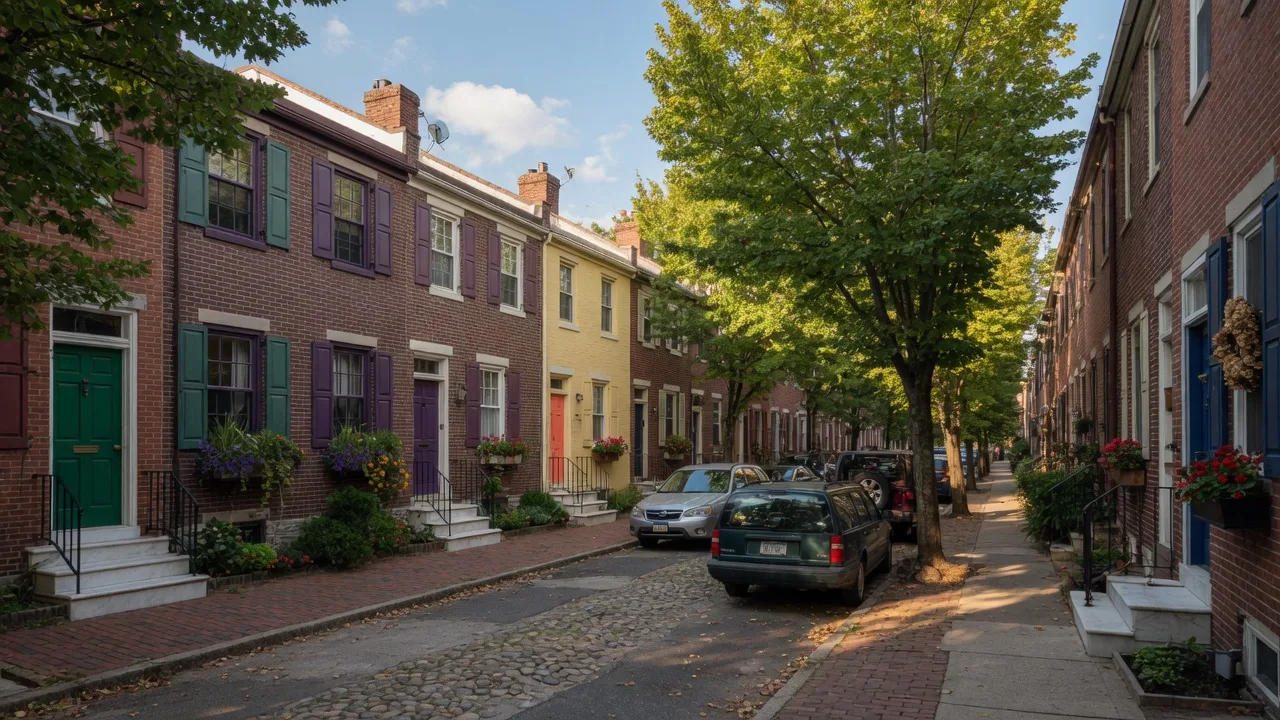
Cedar Park offers one of Philadelphia's best values for historic architecture, with Victorian and Queen Anne rowhomes that would cost at least twice as much in Center City or University City. The neighborhood popularity with families, academics, and creatives makes it a dynamic and growing market. This guide covers everything buyers and sellers need to know about navigating the Cedar Park real estate market.
Market Overview for 2026
Cedar Park real estate market in 2026 is active and growing. Victorian rowhomes with high ceilings, ornate woodwork, stained glass windows, and spacious layouts are the primary housing type. Prices range from $200,000 for fixer-uppers requiring significant renovation to $500,000 for fully renovated homes with modern amenities. The neighborhood attracts buyers from the nearby universities (Penn, Drexel), first-time homebuyers seeking affordable entry points, and families seeking community-oriented living at accessible prices. Annual appreciation has been approximately 4 to 6 percent over the past few years, outpacing citywide averages as the neighborhood gains popularity. The stabilized interest rate environment in 2026 has encouraged more first-time buyers to enter the market.
Victorian Home Buying Tips
Buying a Victorian rowhome in Cedar Park is different from buying a modern home. Prepare for homes that may need updated electrical, plumbing, and HVAC systems. Get a thorough home inspection with specialists who understand historic construction. Key items to check include knob-and-tube wiring (common and should be replaced), cast iron or galvanized plumbing (may need replacement), roof condition and age, foundation issues particularly in the basement, original woodwork condition (a valuable feature worth preserving), and windows (original windows can be restored but may need weatherization). Look for signs of knob-and-tube wiring, roof leaks, foundation cracks, and outdated systems. The original woodwork and stained glass common in these homes are valuable preservation features worth maintaining. A pre-inspection before making an offer can help you budget for needed repairs.
Renovation and Budget Guide
Budget $50,000 to $100,000 for a full renovation of a typical Victorian rowhome. Key investments include updated electrical (rewiring a rowhome costs $5,000 to $10,000), modern kitchen ($15,000 to $30,000 for a complete renovation), bathroom renovation ($8,000 to $15,000 per bathroom), HVAC replacement ($5,000 to $12,000 for a new system), and roof repair or replacement ($5,000 to $15,000 depending on scope). Many buyers finance renovations through FHA 203k loans, Fannie Mae HomeStyle Renovation loans, or conventional renovation mortgages. These programs roll the purchase price and renovation costs into a single mortgage, making it easier to finance a fixer-upper. Working with a contractor who has experience with historic Philadelphia homes is essential for a successful renovation.
Selling Tips for Homeowners
If you are selling a Cedar Park home, highlight the original architectural features that make the neighborhood special. High ceilings, exposed brick, original hardwood floors, stained glass windows, and ornate woodwork are features buyers cannot find in newer construction. Renovated kitchens and updated bathrooms are the top priorities for most buyers. A pre-sale home inspection can identify issues to address before listing and give buyers confidence. Price competitively based on comparable recent sales and current market conditions. Staging that shows the potential of the space helps buyers visualize themselves in the home. Marketing to both owner-occupant buyers and investors broadens the pool of potential buyers. Working with an agent who understands the Cedar Park market is essential for achieving the best price.
Financing and Down Payment Help
Several financing options are available for Cedar Park buyers. Conventional and FHA loans are standard for move-in ready homes. For fixer-uppers, FHA 203k loans and Fannie Mae HomeStyle loans allow you to finance both the purchase and renovation in a single mortgage. Philadelphia Home Grant Program offers down payment assistance of up to $10,000 to qualified first-time homebuyers. The Philadelphia Housing Development Corporation (PHDC) offers additional programs for low and moderate income buyers. Buyers should get pre-approved before starting their home search to know their budget and show sellers they are serious.
Market Timing and Seasons
The Cedar Park real estate market follows typical seasonal patterns. Spring (March through June) sees the most new listings and the highest buyer activity. Summer remains active but can slow as families go on vacation. Fall (September through November) brings a second wave of listings. Winter (December through February) typically has the fewest listings but also less competition among buyers, potentially leading to better deals. Regardless of season, well-priced renovated homes often sell within 30 to 45 days. Fixer-uppers may take 60 to 90 days but attract investors and DIY buyers looking for equity opportunities. Homes that linger on the market beyond 60 days may need a price adjustment or fresh marketing strategy.
Common Questions
What is the price range in Cedar Park?
$200,000 to $500,000 for Victorian rowhomes, with fixer-uppers at the low end and fully renovated at the high end.
Is Cedar Park a good real estate investment?
Yes, strong appreciation potential from popularity with families, proximity to universities, and affordable home prices.
How fast do homes sell in Cedar Park?
Well-priced renovated homes often sell within 30 to 45 days. Fixer-uppers may take longer but attract handy buyers.
What should I look for when buying a Victorian rowhome?
Get a thorough inspection for electrical, roof, foundation, plumbing, and HVAC. Budget for potential updates.
What renovation budget should I plan for?
Budget $50,000 to $100,000 for a full renovation covering electrical, kitchen, bath, HVAC, and roof.
Are there down payment assistance programs?
Yes, Philadelphia Home Grant Program and PHDC offer assistance. FHA 203k loans cover renovation costs.