Key Takeaways
- +Philadelphia has over 100 distinct neighborhoods, each with unique character and pricing.
- +Key factors: budget, commute, schools, walkability, nightlife, and parking needs.
- +Center City offers walkability; suburbs offer space; each county has distinct options.
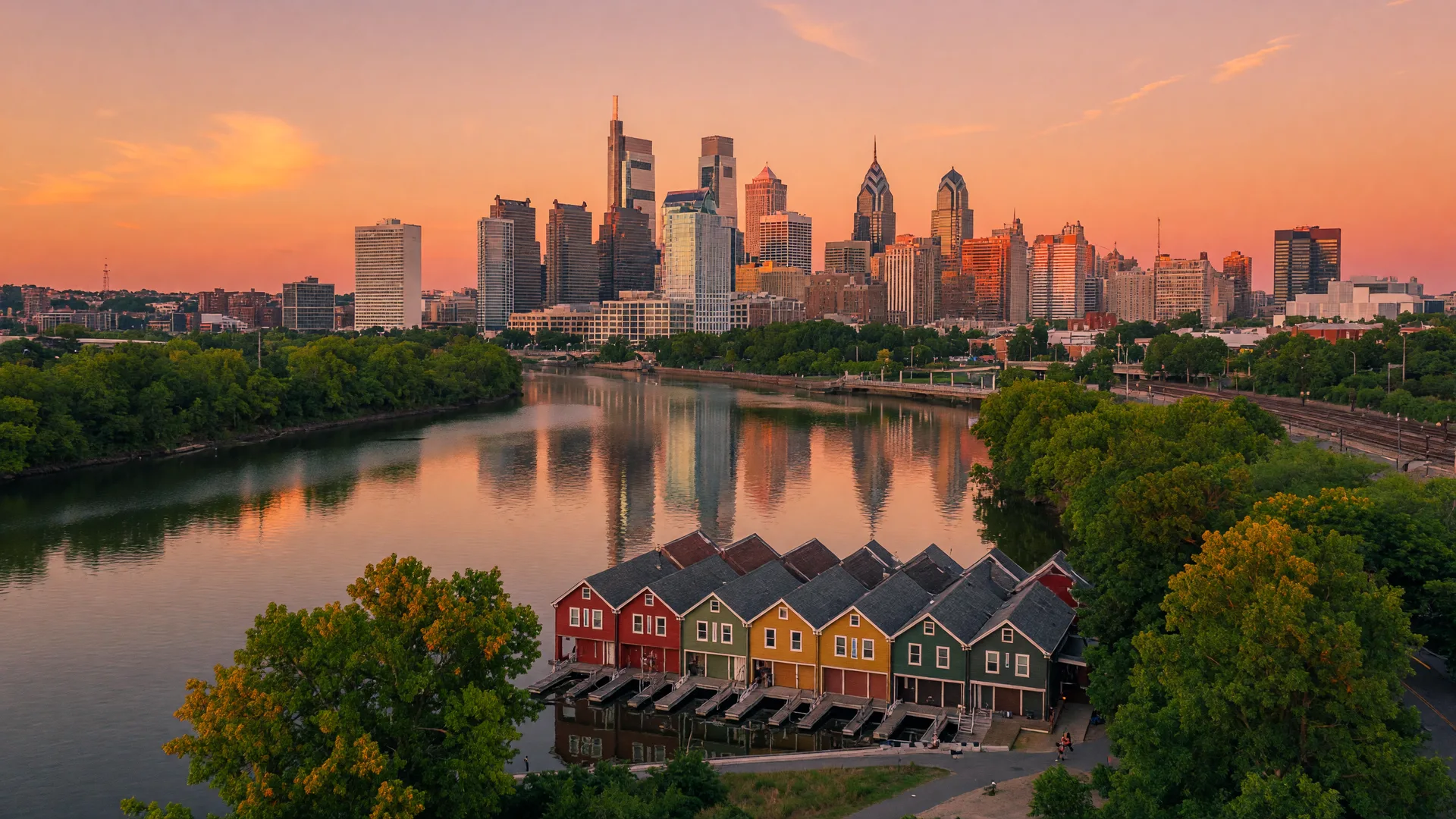
Philadelphia's neighborhood diversity is one of its greatest strengths. With over 100 distinct neighborhoods across the city and surrounding counties, choosing the right one requires understanding your priorities for lifestyle, budget, commute, and community. This guide helps you navigate Philadelphia's rich tapestry of neighborhoods and find the perfect fit for your needs.
Understanding Philadelphia's Neighborhood Landscape
Philadelphia offers an extraordinary range of living experiences, from the urban energy of Center City to the family-friendly suburbs of Montgomery, Bucks, Chester, and Delaware Counties. Center City neighborhoods including Rittenhouse Square, Old City, and Washington Square West offer walkable, amenity-rich urban living with condos and historic apartments. Neighborhoods like Fishtown, Northern Liberties, and Point Breeze offer emerging arts scenes and more affordable entry points. Family-friendly city neighborhoods like Fitler Square, Chestnut Hill, and East Falls balance green space with city access. For a full exploration of Philadelphia neighborhoods, visit our Philadelphia County Guide.
Budget and Home Price Considerations Across Philadelphia
Home prices vary dramatically across Philadelphia neighborhoods. Center City condos typically range from $300,000 to over $1 million, while more affordable options in neighborhoods like Fishtown, Brewerytown, and Kensington offer entry points below $300,000. The suburban counties provide a wide spectrum: Montgomery County towns like Lansdale and Ambler offer more affordable single-family homes, while Main Line communities like Bryn Mawr, Gladwyne, and Haverford command premium prices. Property taxes, transfer taxes, and homeowners insurance also vary by location and should be factored into your budget. Our Mortgage Calculator can help you estimate monthly payments based on different price points.
Commute and Transit Access Across the Region
Commute patterns are a crucial factor in neighborhood selection. Philadelphia's SEPTA system provides extensive regional rail, subway, trolley, and bus service connecting the city to surrounding suburbs. Center City neighborhoods offer walking commutes to many office towers and universities. Suburban communities with regional rail stations provide convenient downtown access: the Main Line (Overbrook to Bryn Mawr), Lansdale/Doylestown line, and Media/Elwyn line are popular commuter corridors. For car-dependent commuters, neighborhoods near I-76 (Schuylkill Expressway), I-95, and the Pennsylvania Turnpike offer highway access but come with traffic considerations. Many Philadelphia-area employers offer hybrid schedules, expanding the range of feasible neighborhoods. The SEPTA website provides route maps and schedules to help evaluate transit options from any neighborhood.
Schools and Family-Friendliness
For families, school quality often drives neighborhood selection. The School District of Philadelphia includes magnet, charter, and neighborhood schools with varying quality across different areas. Popular family neighborhoods in the city include Fitler Square (Penn Alexander catchment), Chestnut Hill, and Mount Airy with strong public and private options. The suburban counties are known for excellent public school districts: Lower Merion, Radnor, Tredyffrin/Easttown, and Central Bucks consistently rank among Pennsylvania's top districts. Communities like Newtown, Media, and West Chester combine excellent schools with walkable downtowns and strong community feel. Our Buyer Guides provide detailed information on school districts and family resources.
Walkability, Lifestyle, and Amenities
Philadelphia neighborhoods offer widely varying walkability scores. Center City neighborhoods including Rittenhouse Square, Old City, and Washington Square West achieve Walk Scores above 90, meaning errands can be accomplished on foot. Graduate Hospital, Fitler Square, and Fairmount also rank highly for walkability. For those prioritizing nightlife and dining, Fishtown, Northern Liberties, and Manayunk offer vibrant restaurant and bar scenes. Families may prefer the quieter walkability of Chestnut Hill, Media, or Swarthmore with their charming downtowns. Outdoor enthusiasts will find parks and recreation throughout the region: Fairmount Park (one of the largest urban parks in the country), Wissahickon Valley Park, and numerous county parks offer hiking, biking, and nature access.
Making Your Final Choice: A Step-by-Step Process
Choosing the right Philadelphia neighborhood involves a systematic process: first, rank your priorities (budget, commute, schools, walkability, lifestyle). Next, research 5-10 neighborhoods that match your criteria, using online resources and our detailed community guides. Then visit each neighborhood at different times (weekday commute, weekend evening, weekday daytime) to experience the true character. Finally, work with an agent who knows the neighborhoods you are considering. As an AI-Certified Agent serving the entire Philadelphia region, I help buyers match their lifestyle priorities to the perfect neighborhood. Schedule a consultation to start your Philadelphia neighborhood search with data-driven guidance. For additional resources, Walk Score offers detailed walkability, transit, and bike scores for every Philadelphia neighborhood.
Explore Philadelphia Resources
External Resources
Frequently Asked Questions
How many neighborhoods does Philadelphia have?
Philadelphia has over 100 distinct neighborhoods, each with unique character, pricing, and lifestyle options ranging from urban center city to family-friendly suburbs.
What Philadelphia neighborhoods are best for families?
Fitler Square, Chestnut Hill, and East Falls in the city, plus suburban communities like Media, Newtown, Lansdale, and Havertown in surrounding counties are excellent for families.
Which Philadelphia neighborhoods are most walkable?
Center City neighborhoods including Rittenhouse Square, Old City, Washington Square West, Society Hill, and Graduate Hospital all have Walk Scores above 90, meaning errands can be accomplished on foot.
What is the most affordable Philadelphia neighborhood?
Affordable entry points include Fishtown, Point Breeze, Brewerytown, and Kensington in the city, plus suburban towns like Lansdale, Bensalem, and Levittown in surrounding counties.
What is the best Philadelphia neighborhood for young professionals?
Fishtown, Northern Liberties, Graduate Hospital, and Rittenhouse Square are popular among young professionals for their walkability, nightlife, dining, and transit access to Center City employers.

Get More Philly Real Estate Insights
Join 5,000+ subscribers getting weekly market updates and neighborhood guides.