Key Takeaways
- +Historic Bryn Mawr homes require special consideration for preservation and valuation.
- +Professional appraisal and estate attorney coordination are essential for executors.
Selling an inherited historic home in Bryn Mawr requires navigating both estate procedures and preservation considerations unique to Main Line properties. Historic homes on the Main Line present unique opportunities and challenges for executors and beneficiaries that differ significantly from selling a standard property.
Understanding the Historic Character of Bryn Mawr Homes
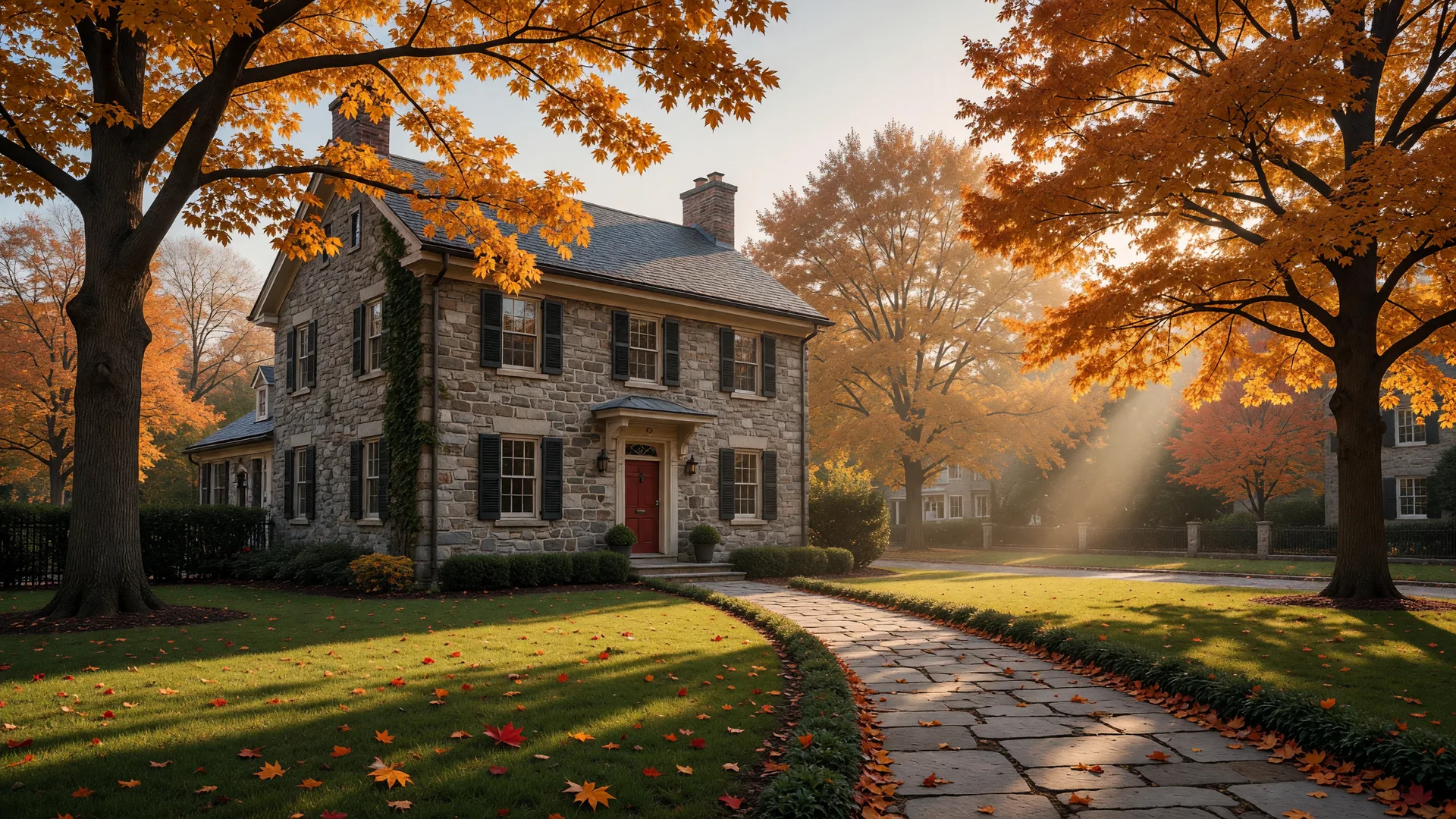
Bryn Mawr features many historic homes with significant architectural value, including Victorian, Tudor, Colonial Revival, and stone farmhouse styles. These properties often feature original woodwork, stained glass windows, slate roofs, and hand-carved stone details that are irreplaceable. Buyers specifically seeking historic Main Line properties highly value these original architectural elements. However, some historic homes may have preservation easements or be listed on local historic registers, which can impose restrictions on exterior modifications. Understanding the historical significance and any preservation requirements is essential before marketing the property. Our Bryn Mawr community page provides context on the town's rich architectural heritage.
Pricing Historic Homes: What Executors Need to Know
Historic homes in Bryn Mawr command premium prices when well-maintained and rich in original character. A properly preserved historic home can sell for 10-20% more than a comparable non-historic property in the same area. However, homes needing significant restoration may sell at a discount since buyers factor in the cost of specialized repairs. Renovated historic homes that balance original character with modern updates (updated kitchens and bathrooms, HVAC, windows) typically achieve the highest values. A professional appraisal by someone experienced with historic properties is crucial for accurate pricing. The appraisal should consider replacement cost, which is typically higher for historic homes due to specialized materials and craftsmanship.
Preservation Considerations and Legal Restrictions
Some historic Bryn Mawr properties may have preservation easements or be subject to local historic district regulations. These restrictions can limit exterior changes, dictate approved paint colors, and require special permits for renovations. While these restrictions protect the character of the home and neighborhood, they can also be a consideration for potential buyers. Lower Merion Township, which includes Bryn Mawr, has specific guidelines for properties listed on the Lower Merion Historic Register. Properties on the National Register of Historic Places may qualify for federal tax incentives for rehabilitation. Disclosing any preservation restrictions upfront and highlighting the available tax benefits can actually become a selling point for the right buyer. The National Register of Historic Places provides guidance on preservation benefits.
Marketing an Inherited Historic Bryn Mawr Home
Marketing an inherited historic home requires a specialized approach that highlights its unique character and story. Professional photography should capture the architectural details that make the property special: original fireplaces, crown moldings, staircases, and period hardware. The marketing narrative should emphasize the home's history, notable past residents, and architectural significance. Targeting buyers who specifically seek historic Main Line properties through specialized listing sites and historic home networks can yield the best results. Additionally, staging should complement and showcase original features rather than overwhelm them. A light, neutral approach that lets the architecture shine works best. For a detailed walkthrough of the executor responsibilities involved, see our complete guide for executors.
Special Insurance and Maintenance Considerations
Historic homes require specialized insurance coverage due to unique construction materials and higher replacement costs. Standard homeowner's insurance may not adequately cover the cost of rebuilding with period-appropriate materials. Executors should ensure the property has adequate coverage during the sales process. Buyers should be informed about the specialized maintenance historic homes require: slate roof repair, leaded glass window maintenance, and historic masonry work all require specialized contractors. While these considerations may seem daunting, they are well understood by the pool of buyers actively seeking historic Bryn Mawr homes who appreciate and value these characteristics.
Working with Historic Home Specialists
Selling an inherited historic Bryn Mawr home successfully requires a team with relevant expertise. An estate attorney familiar with historic property issues can address preservation easement questions. A real estate agent experienced in historic Main Line properties understands the unique buyer pool and marketing approach needed. A historic property appraiser can provide accurate valuation that reflects both the constraints and premiums of historic designation. At Smarty Home Solutions, I have experience helping families sell inherited historic properties across the Philadelphia region. Schedule a consultation to discuss how we can maximize the value of your inherited historic Bryn Mawr home while navigating the preservation considerations.
Explore Senior Transition Resources
External Resources
Frequently Asked Questions
Is a historic Bryn Mawr home harder to sell?
Not necessarily. Historic homes attract buyers who value character, original architectural details, and Main Line heritage. Some properties may have preservation easements requiring special maintenance.
What affects the value of a historic Bryn Mawr home?
Original architectural details, overall condition, quality of renovations, location within Bryn Mawr, and proximity to the train station and downtown all significantly impact value.
Do I need special insurance for a historic home?
Yes, historic homes may require specialized insurance coverage due to unique construction materials, higher replacement costs, and potential preservation requirements.
Are there tax benefits for historic home owners?
Yes, properties listed on the National Register of Historic Places may qualify for federal tax incentives for rehabilitation. State tax credits may also be available in Pennsylvania.
Can executors sell a historic home with preservation easements?
Yes, but you must disclose all preservation restrictions to potential buyers and ensure the sales contract acknowledges these requirements. An estate attorney can help navigate these issues.

Get More Philly Real Estate Insights
Join 5,000+ subscribers getting weekly market updates and neighborhood guides.