Table of Contents
Fishtown's real estate market in 2026 continues to reflect the neighborhood's transformation into one of Philadelphia's most desirable places to live. From converted warehouse lofts and classic brick rowhomes to new riverfront condos, Fishtown offers a diverse housing stock and a compelling lifestyle that draws buyers from across the region and beyond. This market update provides the latest data on home prices, trends, inventory, and what to expect for the remainder of 2026 from an A.I. Certified Agent who tracks this market daily.
Key Takeaways
- +Fishtown median home prices in 2026 range from the mid-$300,000s to approximately $450,000, varying significantly by property type and location.
- +Limited housing inventory continues to be the defining characteristic of the Fishtown market, with well-priced properties routinely attracting multiple offers.
- +Demand is driven by Fishtown\'s Walk Score of 90, the Market-Frankford Line (15 minutes to Center City), the nationally acclaimed dining scene, and the Delaware River waterfront access.
- +Different property types (lofts, condos, rowhomes) serve different buyer demographics and price points, making Fishtown accessible to a range of budgets.
- +The long-term outlook remains positive, supported by the neighborhood\'s cultural and economic fundamentals and the ongoing development of the Delaware River waterfront.
Fishtown Market Overview: Summer 2026
The Fishtown housing market in mid-2026 can be characterized as stable with continued upward pressure on prices. The neighborhood has successfully navigated the post-pandemic market normalization better than many comparable urban neighborhoods, maintaining strong buyer demand and limited inventory. Several factors explain Fishtown's market resilience: the neighborhood's authentic character and established dining and cultural scene create enduring appeal; the SEPTA Market-Frankford Line provides reliable transit access that makes car-free living feasible; and the Delaware River waterfront and trail system offer recreational amenities that became even more valued after pandemic lockdowns.
Mortgage interest rates in the mid to high 6 percent range have moderated some buyer demand compared to the historic lows of 2020 and 2021, but Fishtown continues to attract motivated buyers. Cash buyers represent a meaningful share of transactions, particularly in the condo and premium loft segments. The combination of steady demand and constrained supply means the Fishtown market remains favorable to sellers who price their properties correctly.
Home Price Trends and Values by Property Type
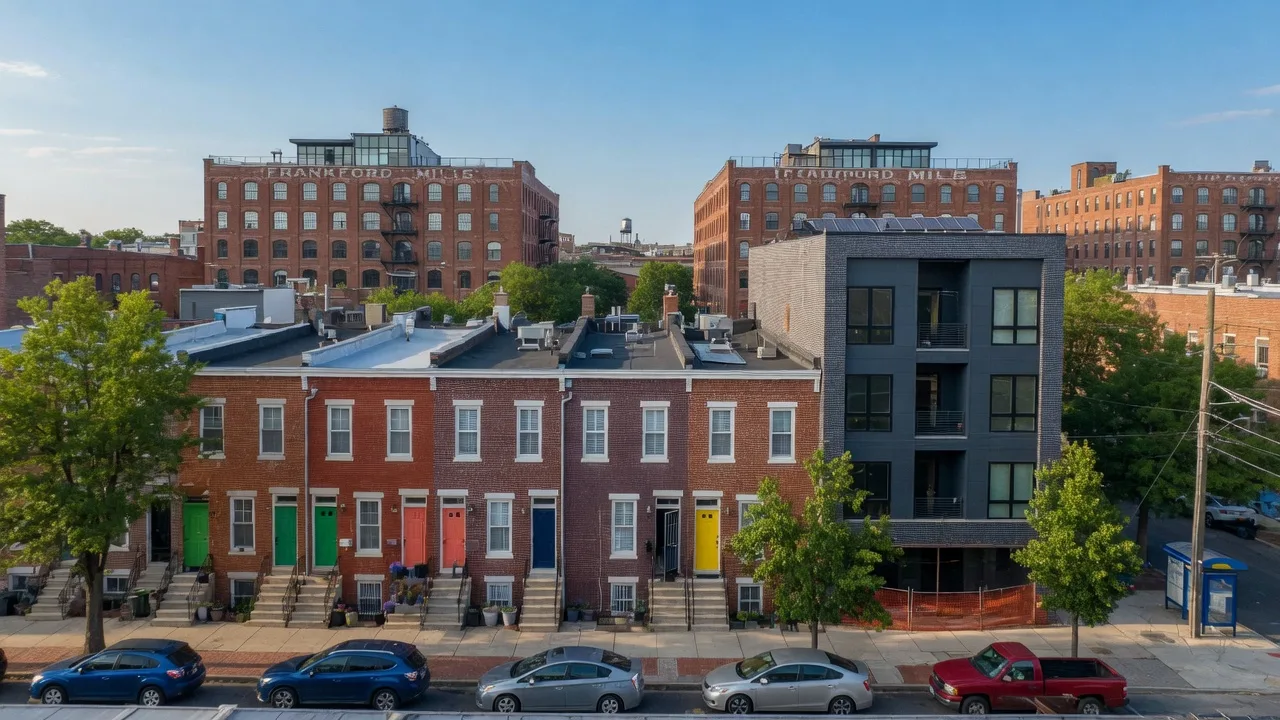
Converted Warehouse Lofts ($300,000 to $650,000+): Loft properties continue to command a premium for their unique architectural character. Smaller one-bedroom and junior loft spaces start in the low $300,000s. Larger two-bedroom and three-bedroom lofts with significant square footage, good light, and prime locations near Frankford Avenue routinely sell in the $450,000 to $650,000 range. Top-tier penthouses and river-view lofts can exceed $700,000. Loft inventory is limited, and well-priced units often sell quickly.
New Construction Condos ($350,000 to $700,000+): The newer condo buildings along Front Street and near the river continue to attract buyers seeking modern amenities and move-in readiness. One-bedroom units start around $350,000. Two-bedroom units range from $450,000 to $600,000. Larger and waterfront units can exceed $700,000. Some of these buildings benefit from tax abatement programs that reduce property tax burdens for a set period, a significant consideration for buyers comparing total monthly costs.
Classic Rowhomes ($200,000 to $500,000): Rowhomes represent both the most affordable entry point and the widest price range in Fishtown. Unrenovated properties requiring substantial work start around $200,000 and appeal to buyers with renovation experience or contractor relationships. Partially updated homes with some modern finishes sell in the $250,000 to $350,000 range. Fully renovated rowhomes with updated kitchens and bathrooms, finished basements, and outdoor space command $350,000 to $500,000. Rowhomes with off-street parking command a meaningful premium.
Market Drivers: What Is Fueling Fishtown Demand
Several converging factors are driving sustained demand for Fishtown real estate:
- Walkability and Transit: A Walk Score of 90 combined with the Market-Frankford Line providing a 15-minute commute to Center City makes Fishtown extremely attractive to buyers seeking car-free or car-light urban living.
- Dining and Culture: The national recognition of Fishtown's restaurant scene, live music venues, and arts corridor continues to draw buyers who prioritize cultural access in their daily lives.
- Authentic Character: Unlike manufactured planned communities, Fishtown's industrial past, working-class roots, and organic revitalization give it an authenticity that resonates with buyers tired of generic new development.
- Relative Affordability: While Fishtown prices have risen significantly, the neighborhood remains more affordable than comparable creative-class neighborhoods in cities like Brooklyn, Portland, Austin, and Nashville. For buyers relocating from higher-cost markets, Fishtown still feels like a value.
- Waterfront Development: The ongoing investment in the Delaware River waterfront, including the Delaware River Trail and park improvements, adds a recreational amenity that enhances the neighborhood's livability.
Inventory and Days on Market
Limited inventory remains the defining story of Fishtown's market. The number of active listings in any given month is typically constrained, with the most desirable properties often selling within the first two to three weeks on the market. Well-priced, move-in ready homes in prime locations routinely receive multiple offers and sell above asking price.
Properties that linger on the market beyond 30 days are almost always overpriced relative to their condition or location. In Fishtown's competitive market, pricing correctly from day one is the single most important factor for sellers. An overpriced home that sits for three or four weeks, then reduces price, ends up selling for less than it would have at a realistic starting price. As an A.I. Certified Agent, I use advanced comparative market analysis tools to identify the precise price point that will generate optimal offer activity for each property.
Neighborhood Dynamics and Sub-Areas
Fishtown's real estate market is not uniform. Different blocks and sub-areas perform differently based on their proximity to Frankford Avenue's restaurant corridor, access to the El station, and the character of the surrounding streets.
Frankford Avenue Corridor: Properties closest to the restaurant and nightlife stretch of Frankford Avenue between Girard Avenue and Berks Street command the highest per-square-foot prices. The walkability to dining, bars, and transit is unmatched, but noise from the El and nightlife activity is a real consideration.
Riverfront Blocks: Properties near the Delaware River and Penn Treaty Park offer waterfront access and views, commanding premiums in the condo market. Flood insurance may be required for the closest properties.
Quiet Residential Blocks: The residential streets east of Frankford Avenue (e.g., Palmer, Salmon, Thompson, Marlborough Streets) offer a quieter, more traditional rowhome experience. These blocks appeal to buyers who want Fishtown's amenities and walkability without the direct noise of the main commercial corridor. Prices are generally more accessible here.
Kensington Border: Blocks near the northern edge of Fishtown where it meets Kensington see more transition and generally offer lower prices. For buyers willing to accept a longer walk to the El and dining corridor, these blocks can offer the best value in the neighborhood.
2026 Forecast and Outlook
Looking ahead through the remainder of 2026 and into 2027, Fishtown's fundamentals remain strong. The neighborhood's nationally recognized dining scene continues to draw visitors and new residents. The Market-Frankford Line provides reliable transit connectivity that will remain essential as Philadelphia's downtown employment base stabilizes. The Delaware River waterfront investment shows no signs of slowing, and the Delaware River Trail continues to be a daily amenity that adds measurable quality of life for residents.
The primary risk factors for Fishtown's market are the same ones affecting the broader Philadelphia and national housing markets: mortgage interest rates, inflation, and economic uncertainty. Higher rates have reduced buyer purchasing power across the board, which moderates demand and price growth. However, Fishtown's constrained inventory and unique appeal as an authentic walkable neighborhood with national-caliber amenities provide a buffer against significant price declines.
For buyers, the advice is to move decisively on well-priced properties that meet your criteria and budget. Waiting for a market correction in a neighborhood with Fishtown's fundamentals is unlikely to pay off. For sellers, the advice is to price realistically, present your property well, and work with an agent who can market your home to the right buyer demographic. As an A.I. Certified Agent, I combine local neighborhood knowledge with advanced market analytics to help both buyers and sellers navigate Fishtown's market with confidence. Schedule a consultation to discuss your Fishtown real estate goals.
Get a Personalized Fishtown Market Report
Whether you are buying or selling, I can provide a detailed market analysis specific to your property type and the Fishtown blocks that matter most to you.
Frequently Asked Questions
What is the median home price in Fishtown in 2026?
Fishtown median home prices in 2026 range from the mid-$300,000s to approximately $450,000. Entry-level unrenovated rowhomes start around $200,000. Move-in ready rowhomes range from $350,000 to $500,000. New construction condos range from $350,000 to over $700,000 for premium riverfront units.
Is Fishtown a good real estate investment in 2026?
Yes, Fishtown remains a strong investment market with consistent appreciation driven by its nationally recognized dining scene, transit access, Walk Score of 90, and constrained housing inventory. The neighborhood's cultural and economic fundamentals remain strong.
How does Fishtown compare to other Philadelphia neighborhoods?
Fishtown is more affordable than Center City and Society Hill but more expensive than neighboring Kensington and Port Richmond. It offers a unique housing mix of converted industrial lofts, new condos, and classic rowhomes that few other neighborhoods match.
Are home prices in Fishtown still rising?
Fishtown home prices have shown steady appreciation over the past several years. While the pace has moderated from peak post-pandemic years, well-priced properties in desirable locations continue to attract multiple offers and sell at or above asking price.
What types of properties offer the best value in Fishtown?
Unrenovated classic rowhomes on quieter residential blocks offer the best value for buyers willing to invest in renovation. These properties typically sell at a discount and allow buyers to build equity through strategic improvements.
Explore More
External Resources

Written by John Smart
AI-Certified Agent with eXp Realty | PA License RS348332
Serving Philadelphia, Montgomery, Bucks, Chester, Delaware and Berks Counties